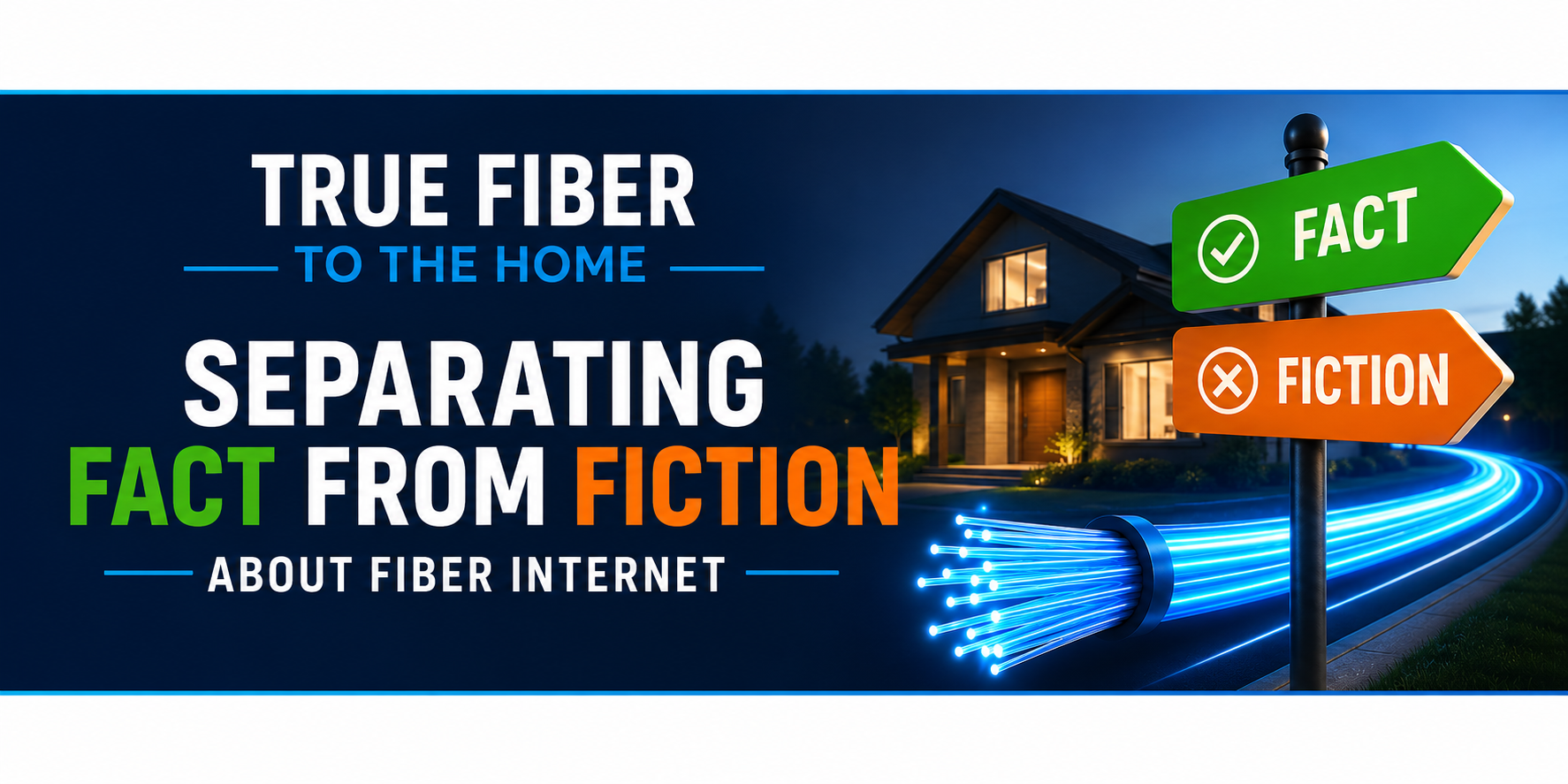
Separating Fact from Fiction About Fiber Internet
What Is True Fiber-to-the-Home?
As more internet providers advertise "fiber" service, it can be difficult to understand what you're actually getting. Not all fiber networks are built the same, and the differences can have a major impact on your internet experience.
At Cleveland Utilities, we've invested in a true Fiber-to-the-Home network designed to serve our community today and well into the future. Here's what that means for you—and a few myths worth clearing up along the way.
Fiber internet uses thin strands of glass, called optical fiber, to transmit data as pulses of light at incredibly fast speeds. But the key question is: Does that fiber connection actually reach your home?
With Cleveland Utilities, the answer is yes.
Our network is built with a dedicated fiber connection—a continuous optical fiber cable—running from our facilities directly into your home. There are no copper lines (traditional electrical wires) or coaxial cables (cables often used for cable TV and older internet services) acting as intermediaries between our network and your house. It's fiber from start to finish.
Some providers offer 'fiber-powered' internet, where fiber only goes to a neighborhood node before switching to older copper or coaxial lines for the final stretch. This may improve performance, but can’t match the reliability, speed, or long-term benefits of true Fiber-to-the-Home.
Myth #1: All Fiber Internet Is the Same
Not necessarily.
The term "fiber" can mean different things depending on the provider.
Before choosing an internet provider, check whether the service is truly Fiber-to-the-Home (where fiber-optic cables run directly to your home) or just fiber-powered (where fiber reaches a neighborhood cabinet, and then copper or coaxial cables connect to your home). Using copper or coaxial cables for the final connection may mean you do not get the full benefits of real fiber.
With Cleveland Utilities, your connection is 100% fiber all the way to your home.
Myth #2: Upload Speeds Don't Matter
Many internet plans advertise impressive download speeds while offering much slower upload speeds.
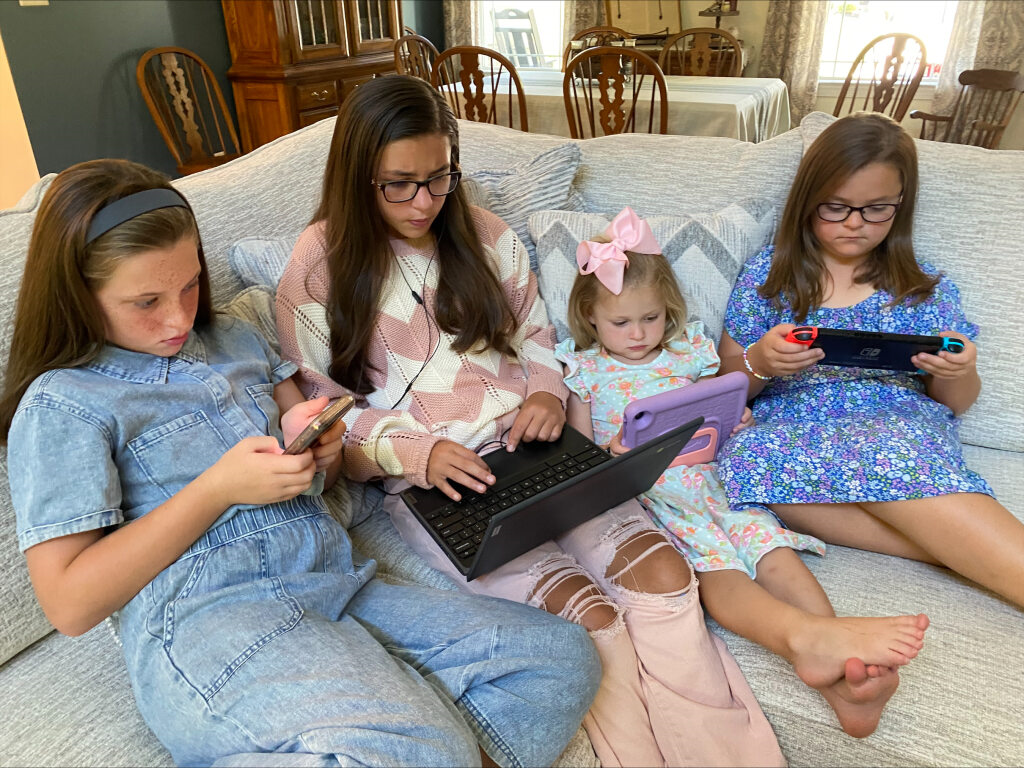
Today's households are constantly uploading data—whether through video calls, online gaming, remote work, cloud storage, smart home devices, or social media content.
That's why it's important to review broadband transparency labels (documents that show you the real internet speeds you can expect) and compare both download and upload speeds.
With true fiber service, upload speeds can match download speeds, providing a more balanced and efficient internet experience.
Myth #3: Low Introductory Pricing Means Lower Costs
Sometimes it does. Often it doesn't.
Many providers advertise attractive introductory rates that increase after a promotional period ends. Others may include additional fees or equipment charges hidden in the fine print.
At Cleveland Utilities, we believe pricing should be straightforward.
There are no surprise rate increases, hidden fees, or confusing promotional offers that expire.
What you see is what you get.
Myth #4: Installation Is a Hassle
We don't think it should be.
When you schedule an installation with Cleveland Utilities, we respect your time by offering a specific appointment instead of a window that disrupts your schedule.
Our technicians arrive on time, wear protective boot coverings when entering your home, and complete installations with care and professionalism.
We treat your home as we would our own—clean, neat, and respected.
A Community Investment
At Cleveland Utilities, fiber internet is about more than faster speeds.